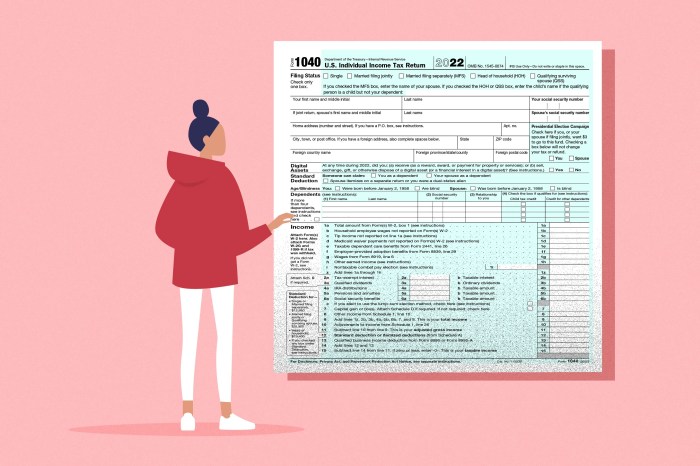
As How to prepare taxes for free takes center stage, this opening passage beckons readers with casual formal language style into a world crafted with good knowledge, ensuring a reading experience that is both absorbing and distinctly original.
Navigating through the intricacies of tax planning, preparation, optimization, and returns can be a daunting task. This guide aims to simplify the process and provide valuable insights on how to manage your taxes effectively without incurring any costs.
Tax Planning
Tax planning is a crucial aspect of financial management that involves analyzing a financial situation or plan from a tax perspective. It helps individuals and businesses make strategic decisions to minimize tax liabilities and maximize tax benefits.
Importance of Tax Planning
Effective tax planning can lead to significant savings by taking advantage of tax deductions, credits, and incentives. It ensures compliance with tax laws while optimizing financial resources for future growth and stability.
- Regular review of financial documents and transactions to identify tax-saving opportunities.
- Utilizing tax-efficient investment strategies to reduce taxable income.
- Implementing retirement savings plans to enjoy tax-deferred growth.
Short-term vs. Long-term Tax Planning Benefits
Short-term tax planning focuses on immediate tax savings through deductions and credits for the current tax year. On the other hand, long-term tax planning involves strategic decisions that have lasting benefits, such as retirement planning, estate planning, and business succession.
- Short-term benefits include reducing taxable income through deductions like mortgage interest or charitable contributions.
- Long-term benefits encompass building wealth through tax-deferred investments and creating a tax-efficient estate plan for future generations.
Maximizing Tax Deductions
Tax planning can help individuals maximize deductions by optimizing expenses that qualify for tax deductions, such as medical expenses, education costs, and business expenses. Keeping detailed records and staying informed about changes in tax laws are essential for maximizing deductions and minimizing tax liabilities.
Tax Preparation
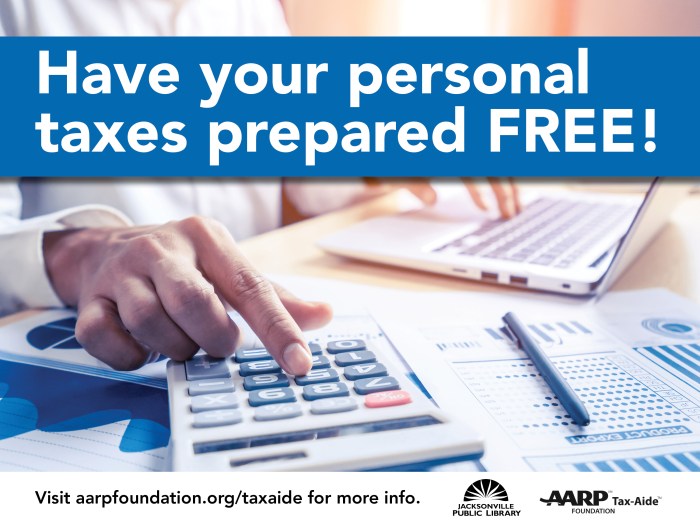
Preparing taxes for free can be a straightforward process if you have the right tools and resources at your disposal. It involves gathering all necessary financial documents, accurately inputting information, and ensuring that you claim all eligible deductions and credits.
Steps for Free Tax Preparation
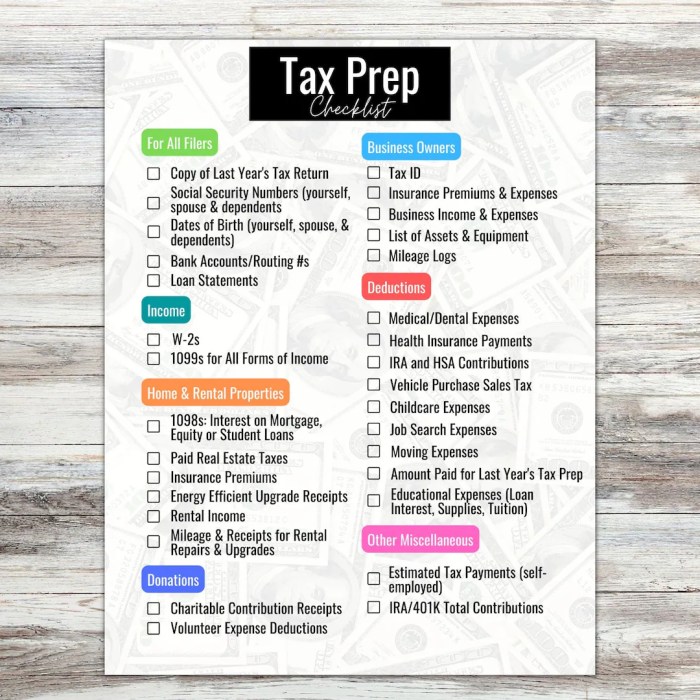
- Organize your financial documents, including W-2s, 1099s, and receipts for deductions.
- Choose a reliable free tax preparation software, such as IRS Free File, TurboTax Free Edition, or H&R Block Free File.
- Follow the step-by-step instructions provided by the software to input your financial information accurately.
- Review your tax return for any errors or missing information before submitting it.
- File your taxes electronically for faster processing and confirmation.
Tools and Resources for Free Tax Preparation
- IRS Free File: Offers free tax preparation software for individuals with an income below a certain threshold.
- Volunteer Income Tax Assistance (VITA): Provides free tax help to people who make $57,000 or less, persons with disabilities, and limited English-speaking taxpayers.
- Tax Counseling for the Elderly (TCE): Offers free tax assistance to individuals aged 60 and older.
Common Mistakes to Avoid During Tax Preparation
- Incorrectly entering personal information, such as social security numbers or addresses.
- Failing to report all sources of income, including freelance work or investment earnings.
- Overlooking eligible deductions and credits that could lower your tax liability.
- Forgetting to sign and date your tax return before submitting it.
Significance of Accurate Record-Keeping
Accurate record-keeping is crucial during tax preparation to ensure that you have the necessary documentation to support your deductions and credits. Keeping organized records can also help you identify potential areas for savings and prevent errors on your tax return.
Tax Optimization
Tax optimization is a strategic approach to managing your finances in a way that minimizes your tax liability within the legal framework. It involves utilizing available deductions, credits, and exemptions to reduce the amount of taxes you owe, ultimately maximizing your after-tax income.
By implementing tax optimization strategies, individuals can take advantage of various tax-saving opportunities to keep more of their hard-earned money. This not only helps in reducing the immediate tax burden but also leads to long-term financial benefits by allowing individuals to grow their wealth and achieve their financial goals.
Examples of Tax Optimization Strategies for Individuals
- Maximizing contributions to retirement accounts such as 401(k) or IRA to lower taxable income.
- Taking advantage of tax credits for education expenses or energy-efficient home improvements.
- Harvesting investment losses to offset capital gains and reduce taxes on investment income.
- Utilizing flexible spending accounts or health savings accounts for medical expenses.
Difference between Tax Planning and Tax Optimization
Tax planning involves setting up your finances in a way that minimizes your tax liability by taking advantage of available deductions, credits, and exemptions. It is a broader approach that encompasses various strategies to legally reduce taxes.
On the other hand, tax optimization focuses specifically on maximizing tax savings by strategically utilizing available tax-saving opportunities. It involves a more detailed and proactive approach to minimize taxes and maximize after-tax income. While tax planning sets the foundation, tax optimization takes it a step further to ensure individuals are making the most of tax-saving strategies.
Tax Returns
When it comes to filing tax returns for free, there are a few important steps to follow to ensure accuracy and compliance with tax laws.
Process of Filing Tax Returns for Free
- Gather all necessary financial documents, such as W-2s, 1099s, and receipts.
- Choose a reputable online tax filing service that offers free options for eligible taxpayers.
- Follow the prompts to enter your information accurately and review your return before submitting.
- Submit your tax return electronically for faster processing and confirmation.
Deadlines and Requirements for Tax Return Submission
- The deadline for filing your federal tax return is typically April 15th, unless an extension is requested.
- State tax return deadlines may vary, so be sure to check with your state’s tax authority for specific due dates.
- Requirements for tax return submission include accurate reporting of income, deductions, and credits to avoid penalties.
Implications of Late or Incorrect Tax Return Filing
- Filing your tax return late can result in penalties and interest charges accumulating on any unpaid taxes.
- Incorrectly filing your tax return may lead to audits, fines, or delays in receiving any tax refunds.
- It is crucial to review your tax return carefully before submission to avoid any errors that could impact your tax situation.
Tips for Maximizing Tax Refunds When Filing Tax Returns
- Take advantage of all available deductions and credits to reduce your taxable income and potentially increase your refund.
- Consider contributing to retirement accounts or health savings plans to lower your tax liability.
- Consult with a tax professional or use tax software to ensure you are maximizing your tax refund opportunities.
In conclusion, mastering the art of preparing taxes for free is not only about saving money but also about gaining a deeper understanding of your financial situation. By following the strategies Artikeld in this guide, you can navigate the tax season with confidence and ease.
FAQ Explained
What are some common mistakes to avoid during tax preparation?
Avoid waiting until the last minute, double-check all information, and keep accurate records to prevent errors.
How can tax optimization benefit individuals in the long term?
By minimizing tax liability through strategic planning, individuals can save money and maximize their financial resources over time.


