
Starting with what documents are needed for tax returns, this guide offers a detailed look at the crucial paperwork required for tax filing, ensuring you’re well-prepared for tax season.
As we delve deeper, you’ll gain insights into the significance of maintaining accurate records and the specific documentation needed for various types of income.
Documents Required for Tax Returns
When filing your tax returns, it is essential to have the necessary documents in order to accurately report your income, deductions, and credits. Here are some common documents you may need:
W-2 Forms
- Employers provide W-2 forms to employees, detailing their wages, tips, and other compensation received during the year.
- These forms are crucial for reporting your earned income and withholding taxes.
1099 Forms
- Freelancers, independent contractors, and other self-employed individuals receive 1099 forms from clients or businesses they worked for.
- These forms Artikel non-employee compensation, interest earned, dividends received, and other sources of income.
Receipts
- Keep receipts for deductible expenses such as medical costs, charitable contributions, business expenses, and more.
- Having accurate records of these expenses can help lower your taxable income.
Specific Documentation for Different Income Sources
Self-employment income, rental income, investment income, and other sources of revenue may require additional documentation:
- For self-employment income, keep track of business expenses, invoices, and receipts related to your work.
- Rental income documentation may include lease agreements, repair receipts, and property expenses.
Deductions and Credits
Various deductions and credits can reduce your tax liability, but they often require supporting documentation:
- For deductions like mortgage interest, property taxes, and student loan interest, keep records of payment statements and receipts.
- Education credits may need proof of tuition payments and enrollment status.
Tax Planning Strategies
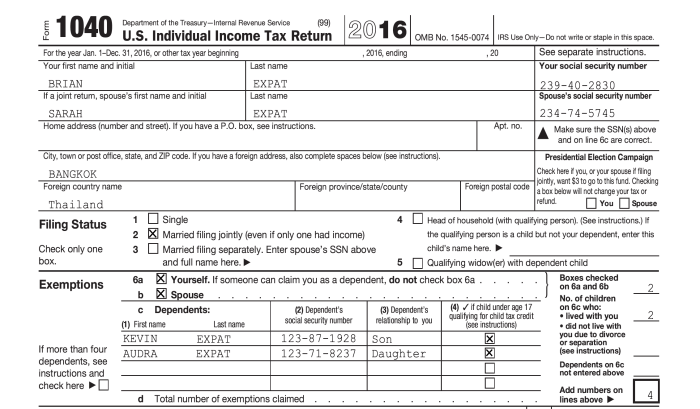
Tax planning involves implementing strategies to minimize tax liability and maximize savings. By taking advantage of tax breaks and deductions, individuals and businesses can reduce the amount of taxes they owe each year. Planning ahead can help avoid penalties and ensure compliance with tax laws.
Contributing to Retirement Accounts
Contributing to retirement accounts, such as a 401(k) or IRA, is a key tax planning strategy. These contributions are typically tax-deductible, reducing taxable income. Additionally, investment earnings within these accounts grow tax-deferred, allowing for potential long-term growth. By maximizing contributions to retirement accounts, individuals can lower their current tax bill and save for the future.
Utilizing Tax Credits
Another effective tax planning strategy is to take advantage of tax credits. Tax credits directly reduce the amount of taxes owed, providing a dollar-for-dollar reduction. For example, the Child Tax Credit or the Earned Income Tax Credit can result in significant savings for eligible individuals. By understanding and utilizing available tax credits, taxpayers can lower their tax liability and keep more of their hard-earned money.
Timing Income and Deductions
Timing income and deductions can also be a valuable tax planning technique. For instance, deferring income to a later year or accelerating deductions into the current year can help manage tax liability. By strategically timing when income is received and deductions are taken, individuals and businesses can optimize their tax situation and potentially reduce the overall tax burden.
Charitable Giving
Charitable giving is not only a generous act but also a tax-efficient strategy. Donations to qualified charities can be tax-deductible, reducing taxable income. By supporting causes they care about, taxpayers can lower their tax bill while making a positive impact on their communities. It’s important to keep detailed records of charitable contributions to ensure compliance with tax laws and maximize tax savings.
Tax Preparation Process
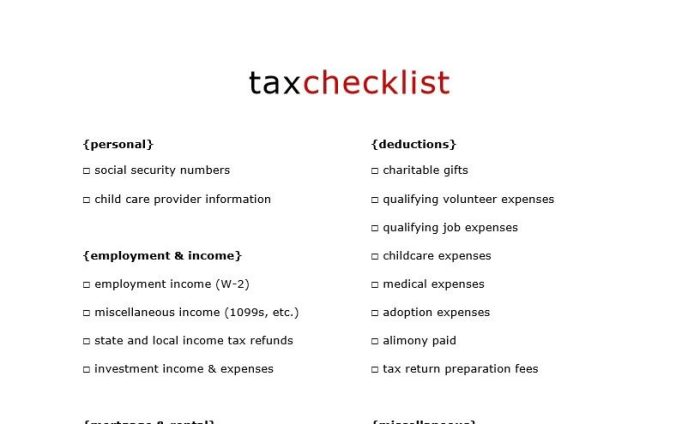
When it comes to preparing tax returns, there are several important steps to follow to ensure accuracy and compliance with tax laws. From gathering necessary documents to filing the return, each step plays a crucial role in completing the process successfully.
Gathering Required Documents
- Collect all relevant income documents, such as W-2s, 1099s, and investment income statements.
- Gather receipts for deductible expenses, such as medical expenses, charitable donations, and business expenses.
- Organize any additional documents related to tax credits or deductions you plan to claim.
Importance of Accuracy and Completeness
- Accuracy is essential to avoid errors that could lead to penalties or audits by tax authorities.
- Completeness ensures that you are taking advantage of all available deductions and credits, maximizing your tax benefits.
- Double-checking calculations and reviewing your return before filing can help prevent mistakes.
Utilizing Software Tools
- Consider using tax preparation software to streamline the process and reduce the risk of errors.
- These tools can help you input information accurately, calculate deductions, and file electronically for faster processing.
- Many software programs also offer guidance on common tax issues and updates on tax law changes.
Organizing Documents Effectively
- Create a system for sorting and storing tax-related documents throughout the year to make tax preparation easier.
- Label folders or digital files by category (income, expenses, deductions) for quick reference.
- Keep a checklist of required documents to ensure nothing is overlooked during the preparation process.
Tax Optimization Strategies
When it comes to optimizing tax returns, individuals and businesses can take advantage of legal strategies to minimize their tax liabilities. Tax optimization involves utilizing tax-efficient investments and structures to reduce the amount of taxes owed to the government.
It is important to note that tax optimization is different from tax evasion, which is illegal and involves intentionally misrepresenting financial information to avoid paying taxes. Tax optimization, on the other hand, focuses on maximizing tax efficiency within the boundaries of the law.
Utilizing Tax-Efficient Investments
- One common tax optimization strategy is to invest in tax-efficient investment vehicles such as Roth IRAs or municipal bonds, which offer tax advantages.
- By strategically allocating assets in these investments, individuals can reduce their taxable income and grow their wealth more effectively.
Utilizing Tax-Advantaged Accounts
- Another effective tax optimization strategy is to take advantage of tax-advantaged accounts like 401(k)s or Health Savings Accounts (HSAs).
- Contributions made to these accounts are often tax-deductible, helping individuals lower their taxable income and save for retirement or medical expenses.
Utilizing Tax Credits and Deductions
- Maximizing tax credits and deductions can also help optimize tax returns. This includes claiming credits for education expenses, child care costs, or energy-efficient home improvements.
- Deducting eligible expenses such as mortgage interest, medical expenses, or charitable contributions can further reduce taxable income.
In conclusion, understanding the essential documents for tax returns is key to a smooth filing process. By following this guide, you’ll be equipped with the knowledge to navigate tax requirements efficiently.
Clarifying Questions
What happens if I don’t have all the required documents?
If you’re missing certain documents, try to obtain duplicates or replacements. Contact the necessary institutions or employers to request the needed paperwork.
Do I need to keep physical copies of all my documents?
While it’s advisable to retain physical copies, digital copies stored securely are also acceptable for tax purposes. Ensure you can access them when needed.
Can I file my taxes if I’m missing some receipts?
You can still file your taxes even if you’ve lost some receipts. Make a good-faith estimate of the missing information and provide as much detail as possible.


