
With Tax return status check at the forefront, this paragraph opens a window to an amazing start and intrigue, inviting readers to embark on a storytelling journey filled with unexpected twists and insights.
Are you eagerly awaiting your tax refund? Learn how to stay updated on your tax return status, common delays to watch out for, and what to do if your status is ‘still processing’.
Tax Return Status Check
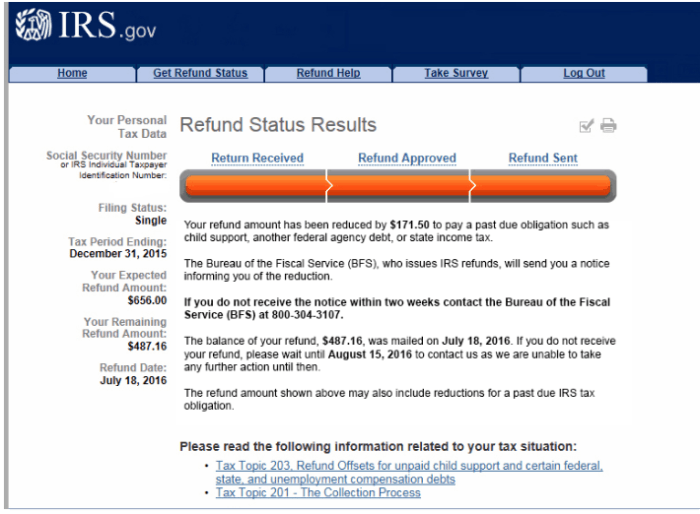
Checking the status of your tax return online can be a convenient way to stay updated on the progress of your filing. Most tax authorities provide an online portal where you can input your details to get real-time information about your tax return status.
Common Reasons for Delays in Tax Return Status Updates
- Errors in the tax return form or missing information
- Verification needed for certain deductions or credits
- Issues with the tax authority’s processing system
- High volume of tax returns being processed
What to Do If Tax Return Status Shows as ‘Still Processing’
- Wait for some time before checking again, as processing times can vary
- Double-check your tax return for any errors or missing information
- Contact the tax authority for more information if the delay persists
- Consider seeking help from a tax professional for further assistance
Tax Planning
Tax planning is a crucial aspect of financial management that involves analyzing a person’s financial situation from a tax efficiency perspective. It aims to minimize tax liability and maximize after-tax income by taking advantage of all available tax benefits and deductions.
Key Elements of Tax Planning Strategy
- Income Analysis: Understanding the sources and amounts of income to determine the tax implications.
- Deductions and Credits: Identifying all possible deductions and tax credits to reduce taxable income.
- Investment Planning: Considering tax implications of investments such as capital gains, dividends, and interest income.
- Retirement Planning: Utilizing tax-advantaged retirement accounts to save for the future while reducing current tax liability.
- Estate Planning: Minimizing estate taxes through proper planning and distribution of assets.
Short-term vs Long-term Tax Planning
Short-term tax planning focuses on immediate tax benefits and deductions to reduce tax liability for the current year. It involves strategies like timing income and expenses, maximizing deductions, and deferring income.
Long-term tax planning, on the other hand, looks at tax implications over an extended period. It involves strategies like estate planning, retirement planning, and investment planning to minimize overall tax liability throughout a person’s lifetime.
Both short-term and long-term tax planning are essential to ensure financial stability and maximize after-tax income.
Tax Preparation
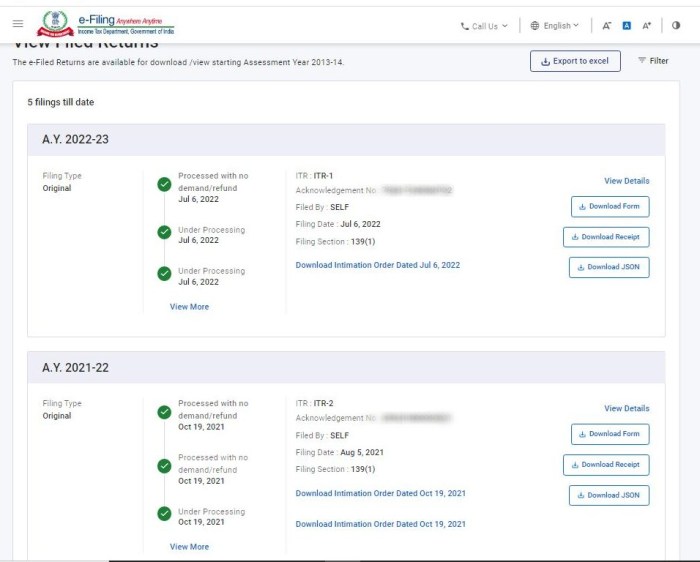
When it comes to tax preparation, accuracy is key to avoid potential issues with the IRS. Properly preparing your taxes involves several important steps to ensure compliance with tax laws and regulations.
Steps Involved in Tax Preparation
- Gather all necessary documents, such as W-2s, 1099s, receipts, and any other relevant financial records.
- Choose the appropriate tax form based on your filing status and income sources.
- Calculate your income, deductions, and credits accurately to determine your tax liability.
- Fill out the tax form completely and double-check all information for accuracy.
- Submit your tax return by the deadline, either electronically or by mail.
Tools and Resources for Tax Preparation
- Online tax preparation software like TurboTax or H&R Block can help guide you through the process and calculate your taxes accurately.
- The IRS website offers free resources, forms, and publications to assist taxpayers in preparing their returns.
- Consulting with a tax professional or accountant can provide personalized advice and ensure your taxes are prepared correctly.
Consequences of Incorrect Tax Preparation
- Incorrectly preparing your taxes can result in penalties, fines, and even legal consequences if the errors are deemed intentional.
- You may miss out on deductions or credits that could reduce your tax liability, leading to higher taxes owed.
- Audits by the IRS can be triggered by inconsistencies or mistakes in your tax return, causing additional stress and scrutiny.
Tax Optimization
Tax optimization is the strategic planning and structuring of one’s finances to minimize tax liabilities legally. By utilizing tax optimization strategies, individuals and businesses can maximize savings and retain more of their income.
Tax Optimization Strategies
- Utilizing tax-advantaged accounts such as IRAs and 401(k)s to save for retirement and reduce taxable income.
- Taking advantage of tax deductions and credits available, such as those for education expenses, charitable contributions, and home mortgage interest.
- Timing income and expenses to maximize tax benefits, such as deferring income to lower tax years or accelerating deductions to the current year.
- Structuring investments in a tax-efficient manner, such as holding investments for the long term to benefit from lower capital gains tax rates.
Role of Tax Professionals
Tax professionals play a crucial role in helping individuals and businesses optimize their tax strategies. They have the expertise and knowledge to identify opportunities for tax savings, navigate complex tax laws, and ensure compliance with regulations. By working with tax professionals, individuals and businesses can benefit from tailored tax planning strategies that align with their financial goals while minimizing tax liabilities.
Tax Returns
When it comes to tax returns, there are key differences between filing as an individual and filing as a business entity. Understanding these variances can help you ensure accurate and timely filing.
Individual Tax Returns
- For individual tax returns, you will need documents such as W-2 forms from your employer, 1099 forms for any additional income, and receipts for deductions like charitable contributions or medical expenses.
- Ensure you have all necessary forms and documentation before filing to avoid delays or errors in your return.
- Consider using tax software or consulting a tax professional to maximize your deductions and credits, leading to a potential increase in your tax refund.
Business Tax Returns
- Business tax returns require different documentation, including profit and loss statements, balance sheets, and receipts for business expenses.
- It is important to keep accurate records throughout the year to ensure a smooth tax filing process for your business.
- Consider working with a tax accountant who specializes in business taxes to identify all eligible deductions and credits, optimizing your tax return.
In conclusion, keeping tabs on your tax return status is crucial for a smooth refund process. Stay informed, be proactive, and ensure your hard-earned money finds its way back to you without unnecessary delays.
Common Queries
What should I do if my tax return status is ‘still processing’?
If your status remains ‘still processing’, it might indicate further review needed. Give it some time, but if it persists, contact the IRS for assistance.
Why do tax return status updates get delayed?
Delays can occur due to various reasons like errors in the return, incomplete information, or high volume during peak tax season.
How can I check my tax return status online?
Visit the IRS website or use their mobile app, enter your details, and you can track your refund status easily.
What documents are needed for filing tax returns accurately?
You typically need W-2 forms, 1099s, receipts, and any other income-related documents to file your tax return correctly.
What is the importance of tax planning in financial management?
Tax planning helps individuals and businesses optimize their finances, reduce tax liabilities, and make strategic decisions for the future.


