Embark on a journey exploring the intricate world of charitable donations and tax planning, where financial decisions intersect with philanthropic endeavors to create a win-win situation for both donors and recipients.
Discover how your contributions to charitable causes can not only make a difference but also optimize your tax savings, resulting in a more impactful and fulfilling approach to giving back to society.
Charitable donations and tax planning
When making charitable donations, tax planning is crucial to maximize your contributions while minimizing your tax liability. By strategically planning your donations, you can make a positive impact on causes you care about while also benefiting from tax savings.
Importance of tax planning when making charitable donations
One of the key reasons to consider tax planning when making charitable donations is to take advantage of tax deductions. By understanding the tax implications of your contributions, you can optimize your giving to ensure you receive the maximum tax benefits available.
Impact of charitable donations on tax savings
Charitable donations can significantly impact your tax savings by reducing your taxable income. When you donate to qualified charities, you may be eligible to deduct the value of your contributions from your taxable income, resulting in lower tax liability.
Tax-efficient ways to donate to charities
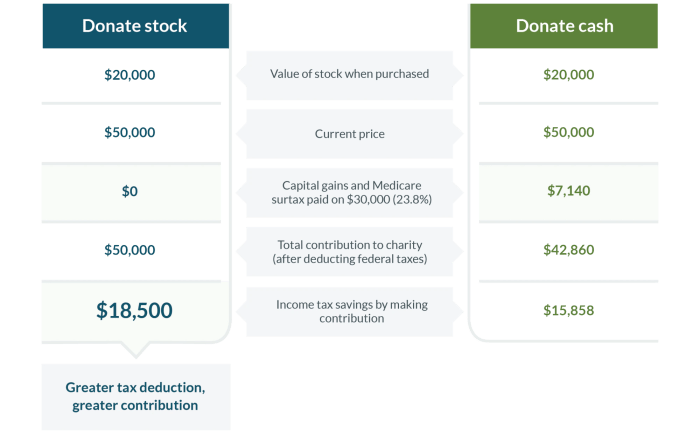
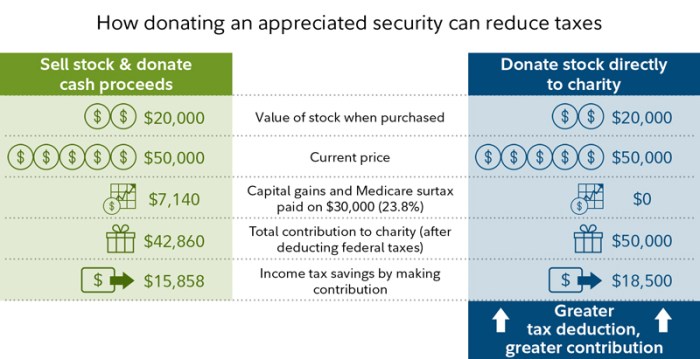
- Donate appreciated assets such as stocks or real estate to avoid capital gains tax and receive a deduction for the fair market value of the asset.
- Utilize donor-advised funds to bundle multiple years of charitable contributions into a single tax year, allowing you to itemize deductions and maximize tax savings.
- Consider making qualified charitable distributions (QCDs) from your individual retirement account (IRA) if you are over 70½ to fulfill required minimum distributions (RMDs) tax-free.
Tax Planning
Tax planning is the process of analyzing a financial situation or plan from a tax perspective. The goal is to ensure tax efficiency and to maximize deductions and credits, ultimately reducing the amount of taxes paid. Effective tax planning is crucial for individuals and businesses to optimize their financial resources and meet their financial goals.
Strategies for Effective Tax Planning
- Keep track of all expenses: Maintaining detailed records of expenses can help identify potential deductions and credits.
- Invest in tax-advantaged accounts: Contributing to retirement accounts or health savings accounts can reduce taxable income.
- Timing of income and expenses: Strategically timing when to receive income or pay expenses can impact tax liability.
- Take advantage of tax credits: Research and utilize available tax credits to reduce taxes owed.
- Consult with a tax professional: Seeking guidance from a tax professional can ensure compliance with tax laws and identify opportunities for tax savings.
Role of Tax Planning in Maximizing Deductions and Credits
Tax planning plays a crucial role in maximizing deductions and credits by utilizing various strategies to reduce taxable income and take advantage of available tax benefits. By carefully planning and structuring financial transactions, individuals and businesses can minimize their tax liability and keep more of their hard-earned money. Deductions such as charitable donations, mortgage interest, and medical expenses can be maximized through effective tax planning, while credits like the Earned Income Tax Credit and Child Tax Credit can provide additional tax savings.
Overall, tax planning is essential for optimizing financial resources and achieving long-term financial success.
Tax preparation
When it comes to tax preparation, there are several important steps involved in ensuring that individuals and businesses are compliant with tax laws and regulations. This process helps organize financial information, calculate tax liabilities, and submit accurate returns to the government.
Steps involved in tax preparation
- Gather all necessary financial documents, such as W-2s, 1099s, and receipts.
- Organize income and expenses into appropriate categories.
- Calculate deductions and credits to minimize tax liability.
- Fill out the necessary tax forms accurately and completely.
- Review the return for accuracy and completeness before submission.
How tax preparation helps individuals and businesses
- By organizing financial information, tax preparation ensures that individuals and businesses are aware of their income, expenses, and potential deductions.
- Calculating tax liabilities in advance helps in budgeting for tax payments and avoiding surprises at tax time.
- Submitting accurate tax returns can help individuals and businesses avoid penalties, audits, and legal issues.
Importance of accuracy in tax preparation
Accuracy is crucial in tax preparation to avoid penalties and legal consequences.
- Errors in tax returns can lead to audits by tax authorities, resulting in additional taxes, fines, and interest payments.
- Proper documentation and record-keeping are essential to support the information provided in tax returns and defend against potential challenges.
Tax optimization
Tax optimization involves utilizing legal strategies to minimize tax liabilities, maximizing savings, and improving overall financial health. By strategically planning and managing your taxes, you can ensure that you are paying the right amount of taxes without overpaying.
Strategies for Tax Optimization
- Take advantage of tax deductions and credits: Make sure to claim all eligible deductions and credits to reduce your taxable income.
- Invest in tax-efficient accounts: Consider contributing to retirement accounts or health savings accounts that offer tax advantages.
- Timing of income and expenses: By strategically timing when you receive income and pay expenses, you can optimize your tax situation.
- Charitable giving: Donating to qualified charities can not only benefit others but also provide tax deductions for you.
- Consult with a tax professional: Working with a tax advisor can help you navigate complex tax laws and identify opportunities for tax savings.
Role of Tax Optimization in Financial Planning
Tax optimization plays a crucial role in long-term financial planning by ensuring that you are making the most of your resources and minimizing unnecessary tax burdens. By incorporating tax optimization strategies into your financial plan, you can effectively grow your wealth and achieve your financial goals more efficiently.
Tax returns
When it comes to filing tax returns, it is important to follow the correct process to ensure compliance with tax laws and regulations. Here is an overview of the process, common mistakes to avoid, and tips for a smooth filing experience.
Process of Filing Tax Returns
Filing tax returns involves gathering all necessary financial documents, such as W-2s, 1099s, and receipts for deductions. You then need to choose between filing electronically or by mail. If you are using tax preparation software, follow the prompts to enter your information accurately. Review your return carefully before submitting to avoid errors.
Common Mistakes to Avoid
- Math errors: Double-check all calculations to avoid mistakes that could trigger an audit.
- Forgetting to sign: Make sure to sign your return before submitting it.
- Missing deadlines: Be aware of the tax filing deadline and submit your return on time to avoid penalties.
- Incorrect personal information: Ensure that your name, Social Security number, and other personal details are entered correctly.
Tips for a Smooth Filing Experience
- Organize your documents: Keep all tax-related documents in one place to make the filing process easier.
- Use tax software: Consider using tax preparation software to help guide you through the filing process and minimize errors.
- Seek professional help: If you have a complex tax situation, consider hiring a tax professional to assist with your return.
- File early: Filing your return early can help you avoid the stress of last-minute filing and reduce the risk of errors.
In conclusion, by strategically aligning your charitable donations with tax planning strategies, you can create a meaningful impact while also benefiting from valuable tax incentives. Take charge of your financial future by incorporating these principles into your giving practices for a more rewarding philanthropic experience.
Top FAQs
Can I deduct all my charitable donations on my taxes?
Generally, you can deduct up to a certain percentage of your adjusted gross income, so it’s essential to keep detailed records of your donations.
What are some tax-efficient ways to donate to charities?
Donating appreciated assets like stocks or utilizing donor-advised funds can be tax-efficient ways to support charitable causes.
How does tax planning help maximize deductions and credits?
Tax planning involves strategic decisions to minimize tax liability, which can result in increased deductions and credits for charitable donations.


